Beard and moustache · Istanbul
Beard Transplant in Turkey
A beard transplant moves hair follicles, usually from the back of the scalp, into the cheeks, jawline, moustache, goatee or sideburns, one graft at a time. What makes it look like a real beard is not the graft count but the design: the direction, angle and spacing of every hair. At Graftiva Clinic in Istanbul the design is agreed with you before the first graft is taken.

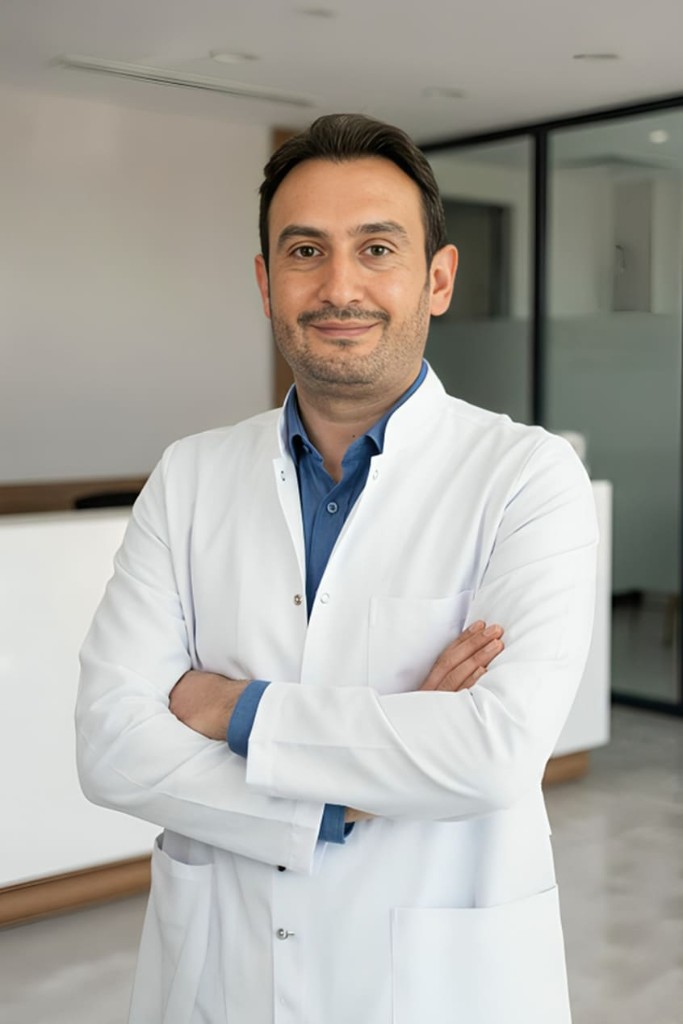
Clinically reviewed by Dr. Harun Eymen Alakaya, MD, hair restoration physician
Key facts
- Areas
- Cheeks, jawline, moustache, goatee, sideburns, scars
- Donor area
- Usually the back of the scalp
- Techniques
- Sapphire FUE, DHI or both
- Minimum age
- Usually from 22
- Anaesthesia
- Needle-free numbing, then local
- Redness
- Usually fades in 1 to 2 weeks
- New growth
- From month 3 to 4
- Full result
- 10 to 12 months
- Price
- €2,000–3,500 ($2,500–4,000) by package; hotel and transfers are included from Premium
Quick answers
Beard transplant in Turkey: the short version
Does a beard transplant look natural?
It can, when each hair follows the direction of the beard around it and lies flat against the skin. Direction and angle matter more than graft count.
Where do the grafts come from?
Usually from the back of the scalp, chosen for a thickness that suits the face. That supply is finite, so it is planned with any future scalp needs in mind.
Can I fill only a patch or the moustache?
Yes. Many plans treat a single zone: patchy cheeks, a weak moustache, a goatee that does not connect, or a scar.
How long until I can shave?
Not until the small crusts have gone and the doctor clears it, usually after the first one to two weeks. Trimming comes first, a close razor shave later.
When will I see my new beard?
Transplanted hairs often shed after two weeks. New growth starts at about three to four months, and the full result shows at 10 to 12 months.
How much does it cost?
Our beard and moustache transplant costs €2,000–3,500 ($2,500–4,000) by package; hotel and transfers are included from Premium. The price does not depend on the number of grafts.
Video summary
Beard transplant in 60 seconds
Which beard zones are usually filled, how the direction of each hair is mapped on your face before any graft is taken, why facial hairs are set almost flat, and what the first year looks like. Watch it for the overview, then use the sections below for the detail and the sources.
In this video
Read the transcript
A beard transplant moves hair from the back of your scalp into your beard, one graft at a time. Most men need one zone filled: patchy cheeks, a thin moustache, a goatee that doesn't connect, or short sideburns. A natural result starts with design. A beard changes direction from sideburn to cheek, jaw and moustache, so we draw it on your face and agree it with you first. Each hair is set almost flat to the skin. Single hairs soften the edges and the moustache. Two-hair grafts build the body of the beard. Donor hairs are chosen to suit your face, and planned so enough is left for your scalp. Redness usually fades in 1 to 2 weeks. New growth starts at 3 to 4 months, with the full result at 10 to 12 months. Packages are $2,500 to $4,000, whatever the graft count. Start with a free beard analysis at Graftiva.
Design first
A beard is drawn before it is planted
Scalp hair mostly grows in one broad direction. A beard changes direction from the sideburn to the cheek, the jaw, the chin and the moustache, and a transplant has to follow every change.[1,4]
What we draw with you
- The height and shape of the cheek line
- Where the jawline sits and how sharp you want it
- Whether the moustache joins the goatee and the sideburns join the beard
- The neckline, which most men keep trimmed
- How you actually wear your beard: stubble, short, or full
What makes a beard look transplanted
- Hairs that point in the wrong direction or stand up from the skin
- A hard, straight edge on the cheek
- The same density everywhere, with no softer transitions
- Perfect symmetry; real beards are slightly uneven
Each of these is a design or placement decision, which is why design is agreed before any graft is taken.
Your beard is drawn on your face, not from a template. Where the cheek line and the neckline sit decides whether it looks like your own beard, so we agree them with you before a single graft is taken.
Dr. Harun Eymen Alakaya, MDHair Restoration Physician, Graftiva ClinicAreas we treat
Which part of your beard is missing?
Most men do not need a whole new beard. They need one or two zones filled or connected.
Cheeks
Patchy or low cheek growth
The most common request. Grafts fill thin patches and can raise or define the cheek line.
- Edges kept soft with single hairs
- Density built up towards the jaw
Moustache
A thin or broken moustache
Moustache hairs grow outwards from the centre and lie very flat, so nearly every graft is a single hair.[5]
- Can be treated on its own
- Often combined with the goatee
Goatee and chin
A chin that does not fill or connect
Linking the moustache to the chin is one of the changes patients notice most.
- Direction changes around the mouth
- Density can be higher at the centre
Sideburns and jaw
Sideburns that stop short
Connecting sideburns to the beard turns separate patches into one line along the jaw.
- Sideburn hair grows straight down
- Joins the hairline above the ear
Placement
Why angle and graft size matter more on the face
In the beard, a single hair set at the wrong angle is easy to see. The two decisions that matter most are how flat each hair lies and how many hairs each graft holds.[1]
Recipient sites on the face are made with the smallest blades, at an acute angle to the skin, following the direction map agreed with you. Grafts are sorted by the number of hairs they hold: single hairs for the edges and the moustache, two-hair grafts for the body of the beard.[1,5]
A surgeon reporting on more than 700 beard transplants names two steps as key to a natural result: grafts trimmed so they carry very little surrounding skin, and recipient sites made at an acute angle with the smallest possible blades.[1]
On the face every hair is seen up close, so I keep each one lying almost flat and use single hairs along the edges. A beard that lies the way your own hair grows will always look more natural than a denser one that points outwards.
Dr. Harun Eymen Alakaya, MDHair Restoration Physician, Graftiva ClinicThe donor area
Where the beard hair comes from, and why it is limited
Beard grafts usually come from the back of the scalp, by FUE, one follicle at a time.[3] The doctor chooses donor hairs whose thickness suits the face, so the transplanted hair blends with the beard you have.
If you are also losing scalp hair
The back of the scalp also supplies any future hair transplant. If your scalp hair is thinning, or likely to, we plan the beard so that enough donor hair is left for it. A beard and scalp transplant can be done on the same trip when the donor area allows.
Technique
Sapphire FUE or DHI for a beard?
Both start with the same FUE extraction from the donor area. They differ in how the grafts go into the face, and many beard plans use both.[3]
The doctor examines your face and donor area and decides the approach zone by zone. You will know it before the procedure.
| Approach | How it works on the face | Often used for |
|---|---|---|
| Sapphire FUE | The doctor opens fine channels with a sapphire blade first, then grafts are placed | Larger zones such as the cheeks and jaw |
| DHI | Grafts are placed with an implanter pen that makes the site and places the graft in one step | Precise areas such as the moustache, the cheek line and small patches |
| Both | DHI at the edges and fine zones, sapphire channels in the body of the beard | Full beards and multi-zone plans |
Before you decide
Things that change the answer
Most men with patchy or thin facial hair are suitable. These are the situations where we slow down, change the plan or advise against surgery.
Age
Under 22
Beard growth keeps developing into the early twenties. We usually recommend waiting until about 22, when the natural pattern is mature enough to plan around.
Bald patches
Round, smooth patches that appeared
Patches that appear suddenly in a beard that used to grow are often alopecia areata, not a growth gap. It is treated medically, not with a transplant, and in a 2017 multicentre review of 55 men with beard alopecia areata, 45.5% went on to develop it on the scalp.[8]
Skin
Active acne, folliculitis or razor bumps
Inflamed skin should settle first. Razor bumps (pseudofolliculitis barbae) are most common with curly beard hair and darker skin; they are managed before and after surgery.[11] More on curly and coiled hair.
Hormones
Very little facial hair at all
If you have almost no body or facial hair, the doctor may suggest a hormone check before planning. For transgender men on testosterone, guidelines suggest waiting at least a year after starting, so the natural beard can show where grafts are really needed.[9]
Try first?
A thin beard that is still filling in
If fine hairs are already there, minoxidil applied to the beard may be worth trying first: in a placebo-controlled trial it improved beard growth.[10] It only works while you use it, and it cannot create hair where there are no follicles.
Donor
A weak or thinning donor area
If the back of the scalp is thin, or your scalp hair loss is advanced, there may not be enough donor hair for both. We tell you before you travel.
Your day
What happens on the day
| When | What happens |
|---|---|
| Before you fly | The doctor reviews photos of your face from the front and both sides, and of the back of your head, and sends a plan. |
| Morning | A 40 to 60 minute consultation with the doctor, EKG and blood tests, and your beard design drawn on your face and agreed with you. |
| Anaesthesia | Needle-free numbing, then local anaesthesia for both the donor area and the face. |
| Procedure | Grafts are taken from the back of the scalp, sorted by size and placed following the design. A beard transplant usually takes a few hours, depending on the number of grafts. |
| Next day | Check-up and cleaning, with written aftercare instructions for your face and the donor area. |
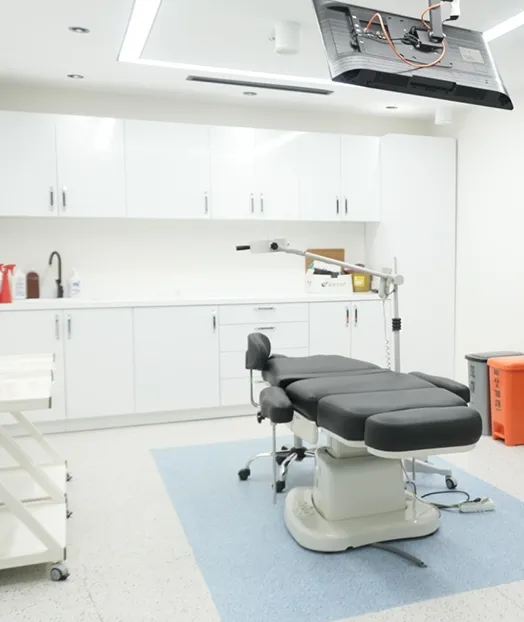
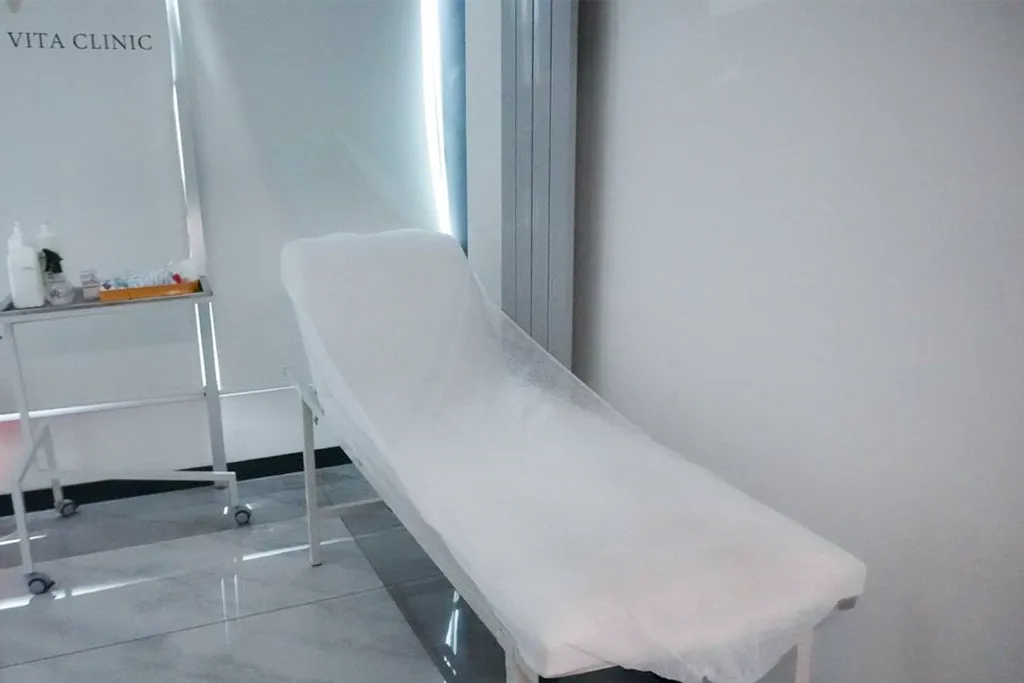
Each doctor treats at most two patients a day. See the clinic.
Recovery
Your face in the first weeks
Healing on the face is visible, so most men plan a week or two away from important meetings or photos.
| Your question | What to do |
|---|---|
| Touching and sleeping | Do not touch or scratch the grafts for the first two weeks. Sleep on your back so there is no pressure on your face. |
| Washing your face | Follow the cleaning routine you are shown at the clinic; use only the aftercare products you are given. |
| Trimming and shaving | Not until the crusts have gone and the doctor clears it. Trimming with clippers comes before a close razor shave. |
| Sun, sweat and exercise | Avoid direct sun, heavy exercise and heavy sweating in the early weeks. |
| Alcohol and smoking | Best avoided during healing; both slow it down. |
| The donor area | Small dots at the back of the head heal under short hair within days to weeks. |
Results
What to expect, honestly
Transplanted hairs usually shed in the weeks after surgery. That is expected: the follicle stays and starts a new hair. New growth appears at about three to four months, looks clearly fuller at six, and reaches its full result at 10 to 12 months.[6] In a 2021 series of 20 beard reconstructions with FUE, growth began at about three months and 19 of the 20 patients were satisfied at one year.[6]
Once grown, the transplanted hair can be trimmed, shaped and shaved like the rest of your beard.
Limits worth knowing
- Not scarless. The back of the scalp has small round marks, hidden by hair; the face heals with tiny points that are rarely visible once the beard grows.
- Density is finite. A very dense full beard can need more grafts than one session or one donor area can give.
- Scars may need two sessions. Scarred skin carries grafts less well than normal skin.[6]
- Your natural beard can change. Hairs around the transplant may thicken with age.
Your team
Who will treat you
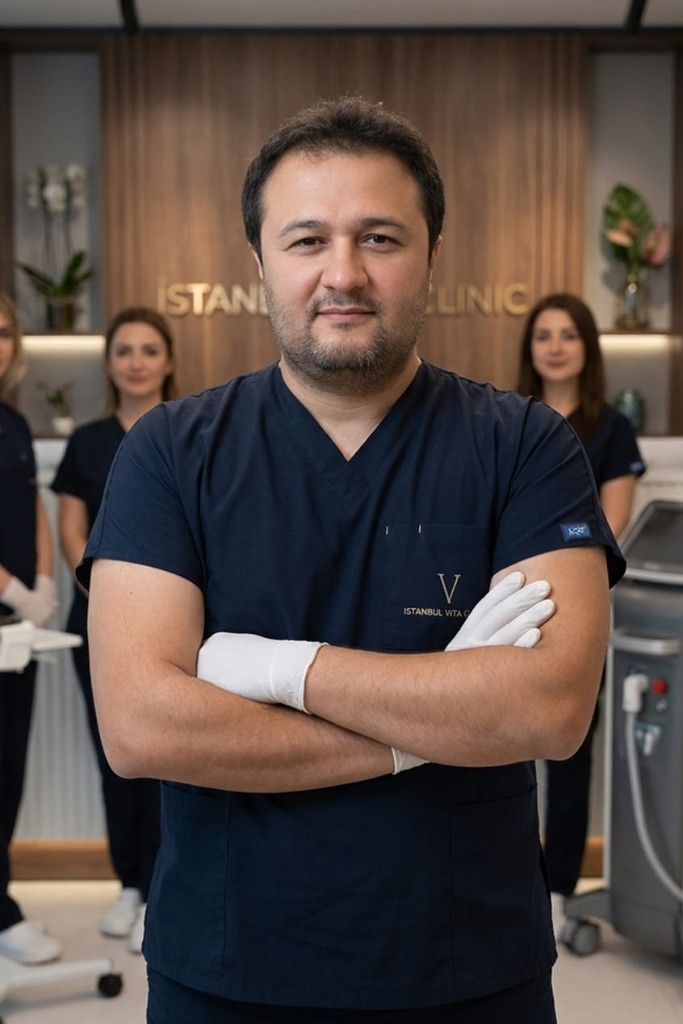
Lead doctor
Dr. Harun Eymen Alakaya, MD
Examines your face and donor area, confirms the plan and opens the recipient channels.
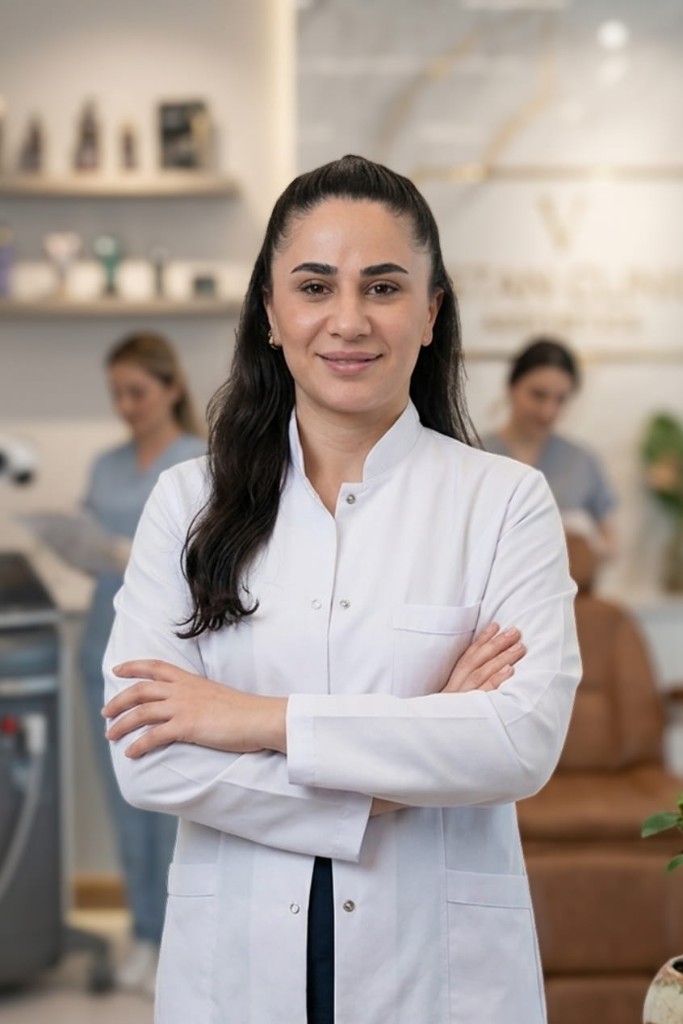
Design
Tuğçe Yılmaz Arslan
Draws the beard line, the moustache and the connections with you before the procedure.
Donor assessment and planning
Mustafa Ayhan Balcı
Assesses the donor area and plans how many grafts can be taken safely.
Cost
Beard transplant cost in Turkey (2026)
A beard or moustache transplant at Graftiva costs €2,000–3,500 ($2,500–4,000) by package; hotel and transfers are included from Premium, depending on the package you choose.
The price is agreed before you travel and does not change with the number of grafts. If the doctor adjusts the graft count during your consultation, the price stays the same.
Included
- Consultation with the doctor, EKG and blood tests
- Beard design agreed with you
- Sapphire FUE, DHI or both, as planned
- PRP and mesotherapy, oxygen therapy
- Aftercare package
- Graft Guarantee Certificate
- 12 months of online follow-up and 24/7 medical assistance
- Hotel stay and in-clinic translator
Flights are not included. Your written quotation lists everything that is.
FAQ
Beard transplant: frequently asked questions
How many grafts does a beard transplant need?
There is no fixed number. A moustache or a single patch needs far fewer grafts than a full beard. The doctor estimates the number from your photos and confirms it after examining your face and donor area. Our price does not change with the number.
Will the transplanted beard hair grow like normal beard hair?
It grows, sheds and can be trimmed and shaved like the rest of your beard. Because it comes from the scalp, it may be slightly finer, which usually helps it blend at the edges.
Is a beard transplant permanent?
Hair from the back of the scalp is usually resistant to pattern hair loss and tends to stay after it is moved. Your natural beard around it can still change with age.
Can I have only a moustache transplant?
Yes. The moustache can be treated on its own or with the goatee. Nearly every graft in the moustache is a single hair, placed flat and pointing outwards from the centre.
Does a beard transplant hurt?
The face and donor area are numbed with a needle-free system and then local anaesthesia, so the procedure itself should not be painful. Some tenderness and swelling in the first days is normal.
When can I shave or trim my beard after the transplant?
Not until the crusts are gone and the doctor clears it, usually after the first one to two weeks. Clippers come first, a close razor shave later.
Will people notice?
For the first one to two weeks there is redness and small crusts on the face. After that, the transplanted hairs shed and the beard looks much as it did before until new growth starts at about three to four months.
Can hair be transplanted into a scar on my face?
Often yes, once the scar has fully healed. Scarred skin can carry grafts less well than normal skin, so a second session is sometimes needed for good density.
I have curly hair and get razor bumps. Can I have a beard transplant?
Usually yes, but the bumps should be calm first and the plan accounts for the curl. Tell us if you get razor bumps, so we can explain how to shave or trim afterwards.
Can I have a beard and a hair transplant at the same time?
Sometimes, when the donor area is strong enough for both. Both use the back of the scalp, so the doctor plans them together and makes sure enough is left for the future.
Should I try minoxidil first?
If you already have fine beard hairs, it can be worth trying: a placebo-controlled trial found it improved beard growth. It works only while you use it and cannot create hair where there are no follicles.
How long do I need to stay in Istanbul?
Usually 2 to 3 nights: the consultation and procedure on one day, and the check-up the next.
Sources
Research behind this page
Medical statements on this page are based on the peer-reviewed sources below, chosen under our editorial policy. Information about how we work comes from our own clinical practice.
- Epstein JS. Facial hair in hair restoration surgery: beard transplantation and beard-to-scalp hair restoration. Facial Plast Surg Clin North Am. 2024;32(3):409-416. PubMed
- Bared A. Beard hair transplantation. Facial Plast Surg Clin North Am. 2020;28(2):237-241. PubMed
- Dua K, Verma V, Dua A. Beard and moustache reconstruction. Indian J Plast Surg. 2021;54(4):483-488. PubMed
- Epstein J. Facial hair restoration: hair transplantation to eyebrows, beard, sideburns, and eyelashes. Facial Plast Surg Clin North Am. 2013;21(3):457-467. PubMed
- Noori A, Rabiee M, Mehrabani D, Namazi MR. Head and neck restoration in scar alopecia: hair transplantation in scalp, eyebrows, beard and mustache. World J Plast Surg. 2021;10(3):90-98. PubMed
- Yaseen U, Ahmed S, Ahmed M. Beard reconstruction. Int J Trichology. 2021;13(6):4-8. PubMed
- Umar S. Use of body hair and beard hair in hair restoration. Facial Plast Surg Clin North Am. 2013;21(3):469-477. PubMed
- Saceda-Corralo D, Grimalt R, Fernández-Crehuet P, et al. Beard alopecia areata: a multicentre review of 55 patients. J Eur Acad Dermatol Venereol. 2017;31(1):187-192. PubMed
- Patel V, Nolan IT, Card E, Morrison SD, Bared A. Facial hair transplantation for transgender patients: a literature review and guidelines for practice. Aesthet Surg J. 2021;41(3):NP42-NP51. PubMed
- Ingprasert S, Tanglertsampan C, Tangphianphan N, Reanmanee C. Efficacy and safety of minoxidil 3% lotion for beard enhancement: a randomized, double-masked, placebo-controlled study. J Dermatol. 2016;43(8):968-969. PubMed
- Dalia Y, Khatib J, Odens H, Patel T. Review of treatments for pseudofolliculitis barbae. Clin Exp Dermatol. 2023;48(6):591-598. PubMed
Keep reading
Related information
Free hair analysis
Find out how many grafts you need
Answer a few questions about your hair, no photos needed. A doctor reviews your answers and replies with a personal plan.