Patient guide
Hair Transplant Patient Guide
Everything you need from the day you start planning to the day you see your final result: how to prepare, what happens in Istanbul, how to look after your grafts and what to expect month by month. Written by our editorial team and checked by our doctors.
In short: preparation starts about four weeks before surgery. Most patients stay three days in Istanbul: arrive, have the procedure, then the first wash and check-up before flying home. The skin heals in 10 to 14 days, new hair appears from month 3 to 4, and the result is judged at 12 to 18 months.
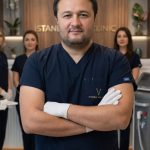
Clinically reviewed by Dr. Harun Eymen Alakaya, MD, hair restoration physician
Your journey at a glance
- Start preparing
- About 4 weeks before
- Time in Istanbul
- Usually 3 days
- Procedure
- 6 to 8 hours, local anaesthesia
- First wash
- Day after surgery, at the clinic
- Desk work
- Usually after 2 to 5 days
- Gym and sport
- Light from day 14, full after 1 month
- Final result
- 12 to 18 months
Where are you now?
Find the guide for your stage
Pick the stage you are at. Each one opens the guides you need now, so you do not have to read everything at once.
1Planning
I am still deciding
Work out what you need, see real results and plan the trip.
2Getting ready
My date is booked
Medicines, alcohol, smoking, your hair and what to pack.
3Operation day
My procedure is today
What happens hour by hour, who does what and your first night.
4Recovery
I have had my transplant
Washing, sleeping, work, sport and how the hair grows back.
The whole journey
From booking to your final result
Nine moments that matter. The three highlighted days are the time you spend in Istanbul.
- 4 weeks beforeStop smoking; send your medication list
- 1 week beforeNo alcohol, no blood-thinning painkillers or supplements
- Day 1Arrive in Istanbul and rest
- Day 2Consultation, hairline design and the procedure
- Day 3First wash and check-up; most fly home
- Day 10–14Crusts gone; skin healed
- Weeks 2–8Transplanted hairs shed; this is expected
- Month 3–4New hair starts to grow
- Month 12–18The result is judged
Timings are typical, not fixed. Your written instructions from the doctor always come first, especially for medicines.
Quick answers
The questions patients ask us most
Short answers, each linked to the full explanation.
All guides
Every guide in one place
Before
Before Your Transplant
A four-week countdown, which medicines to pause, and a checklist you can print.
Read more →
Travel
Your Trip to Istanbul
Airports, how long to stay, visas, what is arranged for you and flying home.
Read more →
The day
Operation Day
What happens hour by hour, who does each step and your first night.
Read more →
Recovery
After Your Transplant
The first 14 days, sleep, work, sport, hats and the signs to watch for.
Read more →
Results
Growth Timeline
Shedding, first growth and when the result is final, month by month.
Read more →
Free tool
Graft Calculator
Estimate how many grafts you need and what your donor area can give.
Read more →
Real results
Before and After
Cases labelled with technique, grafts, stage and photo month.
Read more →
Questions
Frequently Asked Questions
Short answers on cost, travel, the procedure, recovery and results.
Read more →
Safety
When to contact us straight away
Most of what happens after a transplant is expected: tightness, some swelling, crusts, itching and, later, shedding. These signs are different. If you notice any of them, message your care team the same day with a photo, wherever you are.
- A temperature of 38 °C (100.4 °F) or more
- Redness that spreads, or skin that feels hot
- Pus, discharge or a bad smell from either area
- Bleeding that does not stop after 10 minutes of gentle pressure
- Pain that was improving and gets worse
- Swelling that is still increasing after day 5
- A wound that opens, or a dark patch of skin in the treated area
For difficulty breathing, chest pain or a swollen, painful leg after a flight, call your local emergency number first.
Free hair analysis
Questions before you book?
Answer a few questions about your hair, no photos needed. A doctor reviews your answers and replies with a personal plan, a graft range and answers to your questions, free.