Medical standards
Our medical standards, from assessment to follow-up
These standards define how we decide whether surgery is right for you, who is responsible for each stage, how you are kept safe during the procedure and how we look after you once you are home.
1physician leads every procedure and opens every recipient channel
2patients per doctor per day, at most
40–60minute consultation with the doctor before surgery
12months of online follow-up after you fly home
Assessment first
The technique follows the assessment
We do not choose Sapphire FUE, DHI or a combined approach before we understand your case. The doctor looks at the whole picture first, and the technique, graft count and priorities follow from it.
Your photos give us a preliminary plan. It becomes a final plan only after the doctor examines your scalp in person.
What the doctor assesses
Candidacy
When we advise against surgery
A hair transplant is not right for every person or every stage of hair loss. We may postpone, change or decline treatment when:
- hair loss is still progressing quickly or is not yet stable
- thinning is diffuse across the scalp, including the donor area
- the donor area cannot supply enough grafts for the result you want
- a medical condition needs to be assessed or treated first
- expectations cannot be met with the available donor hair
“Not yet” is a valid medical answer. Where it helps, we suggest further tests, medical treatment or a period of observation before planning surgery.
Clinical responsibility
Who is responsible for each stage
Many clinics call themselves doctor-led without saying what the doctor does. Here is each step and the person responsible for it.
| Stage | Responsible | What happens |
|---|---|---|
| Photo review before travel | Medical team | A preliminary plan with an estimated graft range, confirmed later in person. |
| Health checks | Medical team | EKG and blood tests at the clinic, reviewed before surgery goes ahead. |
| Consultation and examination | Dr. Harun Eymen Alakaya | A 40 to 60 minute consultation on the day of surgery. |
| Graft count and technique | Dr. Harun Eymen Alakaya | Confirmed after examining your donor area and the zones to restore. |
| Hairline design | Hairline design specialist | Drawn on your scalp with you, following the plan agreed with the doctor. |
| Anaesthesia | Medical team with anaesthesia technician | Needle-free numbing, then local anaesthesia. Sedation only after a medical assessment. |
| Graft extraction | Graft extraction specialists | Grafts removed one by one, spread across the donor area as the doctor planned. |
| Recipient channels | Dr. Harun Eymen Alakaya, personally | Sets the angle, direction and density of your new hair. |
| Implantation | Implantation technicians and DHI specialist | Grafts placed into the channels the doctor opened. |
| First wash and check-up | Clinic team | The day after surgery, with written aftercare instructions. |
| Follow-up | Dr. Alakaya and the medical team | 12 months of online follow-up and medical assistance available 24/7. |
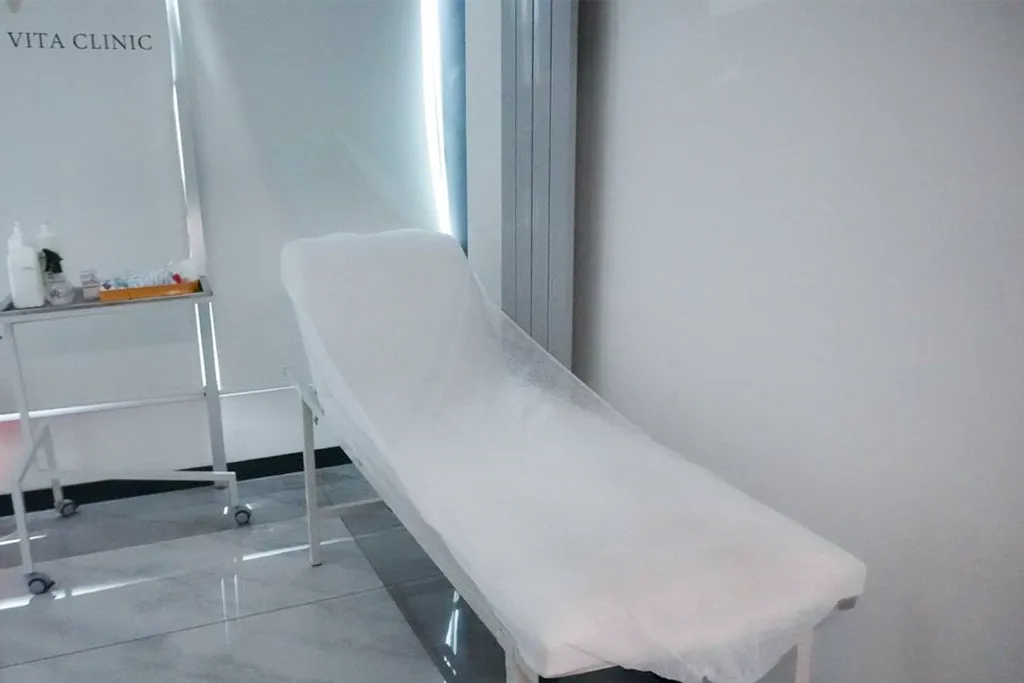
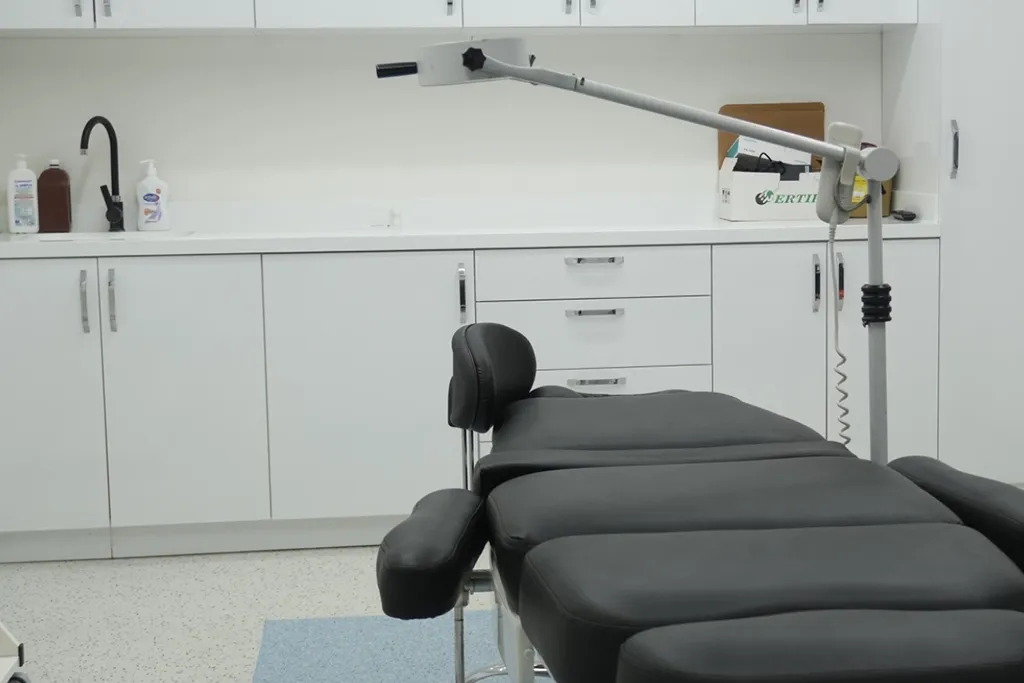
All of this happens in one building. See the clinic and its operating rooms.
Donor preservation
Your donor area comes before the graft count
Donor hair is limited and does not grow back once removed. Our aim is not the largest number of grafts in one session but the right number for your case, taken in a way that leaves the back of your head looking full.
- Extraction is spread evenly instead of concentrated in one patch.
- The plan considers how much hair you may lose in the future.
- Enough donor reserve is kept for a possible later procedure.
- Large cases may be split over two days rather than overharvested in one.
Before surgery
Health and safety checks
Medical history
We ask about your health, medication, allergies and previous surgery before you travel, and review it again at the clinic.
EKG and blood tests
Every patient has an EKG and blood tests at the clinic before treatment. If a result needs a closer look, surgery waits.
Anaesthesia plan
Needle-free numbing is followed by local anaesthesia. If sedation is suitable, you will be asked not to eat or drink for 6 to 8 hours beforehand.
Written informed consent
You read and sign consent forms in English covering the procedure, its risks, alternatives and growth timeline, and a separate anaesthesia consent.
Hairline approval
The hairline is drawn on your scalp and agreed with you before any graft is removed.
Questions answered
Nothing starts until you have had the chance to ask questions and you are comfortable with the plan.
During surgery
How grafts and patients are looked after
Graft handling
Grafts go straight into a chilled holding solution (IceGraft), are counted and sorted by the number of hairs, and are checked under magnification before implantation.
Sterile environment
Procedures take place in a Ministry of Health–licensed polyclinic, with sterilisation protocols that follow international standards.
Prepared for the unexpected
The clinic has an emergency intervention room on site, and the team monitors you throughout the procedure.
Breaks and comfort
A procedure usually takes 6 to 8 hours. You have breaks for meals and rest, and anaesthesia is topped up whenever an area becomes sensitive.
One patient per room
Each operating room is used for one patient at a time, and each doctor treats at most two patients a day.
Doctor-made channels
The doctor opens the recipient channels personally, matching the angle and direction of your existing hair.
After surgery
Aftercare continues after you fly home
Before you leave
The donor and recipient areas are checked, and you receive written instructions and a post-operative care package.
First wash
Your first wash takes place at the clinic the day after surgery, so you see how to do it safely at home.
Supportive therapy
Two sessions of oxygen therapy are included to support early healing.
Online follow-up
You send photos at agreed points over 12 months, and the medical team reviews your healing and growth.
24/7 assistance
Medical assistance is available around the clock if you have a concern after surgery.
When to contact us
Contact us straight away about fever, bleeding that does not stop, spreading redness, discharge, or pain or swelling that gets worse instead of better.
Documentation and guarantees
What you receive in writing
Treatment plan
Your planned technique, graft range and treatment areas, confirmed by the doctor after the examination.
Graft guarantee certificate
A signed certificate stating the number of grafts transplanted and the technique used.
Aftercare instructions
Written guidance on sleeping, washing, medication, activity and the signs that need medical attention.
Revision policy
If an additional procedure is needed later, it is planned only after a clinical evaluation by the medical team.
Optional complication insurance
International patients can add a policy from Sompo Sigorta for about €15, covering complication treatment, a return flight for treatment and accommodation within the policy limits.
Consent records
The consent forms you signed for the procedure and anaesthesia.
Honest limits
What no clinic can promise
No clinic can guarantee how many grafts will survive or exactly how dense the result will be. Results depend on your hair, your donor area, how your body heals and how closely you follow aftercare instructions. Native hair around the transplanted area can continue to thin over time.
If your donor area cannot support the result you hope for, we will tell you before you travel.
Related trust information
Continue reading
Facility
Our Clinic
The licensed 1,200 m² clinic in Ataşehir where every procedure takes place.
Read more →
People
Doctors & Team
The physician and specialists responsible for each stage of treatment.
Read more →
Licences
Certificates
Ministry of Health licences, health tourism and training authorisations.
Read more →
Free hair analysis
Find out how many grafts you need
Answer a few questions about your hair, no photos needed. A doctor reviews your answers and replies with a personal plan.